Signs Your Pickleball Court Needs Resurfacing
Signs your pickleball or tennis court needs resurfacing include cracks, fading, and uneven play, which local contractors can address to restore optimal court conditions.
If you own a pickleball or tennis court, noticing certain signs can indicate it may be time for resurfacing. Cracks, uneven areas, or a worn-down surface can impact play quality and safety, making it harder to enjoy the game. Property owners in the area who want to maintain their courts’ optimal condition often explore resurfacing options to restore a smooth, durable playing surface. Recognizing these issues early can help prevent further damage and extend the life of the court, ensuring it remains a vibrant part of your property.
Understanding common signs your pickleball court needs resurfacing can lead to better decision-making when it comes to upkeep. Fading colors, peeling coatings, or persistent puddles after rain are practical indicators that the surface may be deteriorating. Local contractors experienced in pickleball and tennis court resurfacing can assess these problems and recommend appropriate solutions. Keeping an eye out for these signs ensures that property owners can preserve the quality of their courts and continue to enjoy the game in a safe, well-maintained environment.
- Pickleball court resurfacing - signs your pickleball court needs resurfacing include surface cracks and worn-out paint, which local contractors can repair to restore playability.
- Tennis court resurfacing - when the surface becomes uneven or develops persistent stains, local service providers can refresh the court for optimal performance.
- Pickleball court resurfacing - fading lines and rough patches are indicators that local pros can address through resurfacing to ensure clear markings and safe play.
- Tennis court resurfacing - if the surface shows signs of peeling or blistering, local contractors can strip and resurface to extend the court’s lifespan.
- Pickleball court resurfacing - widespread surface deterioration or recurring drainage issues can be resolved by local pros through comprehensive resurfacing solutions.
Understanding the signs that a pickleball court needs resurfacing is essential for maintaining a safe and playable environment. Homeowners and property managers often search for this topic when they notice issues that could affect gameplay or indicate underlying damage. Common concerns include visible surface deterioration, such as cracks, peeling paint, or uneven areas, which can compromise the court’s integrity. Recognizing these signs early helps prevent further damage and ensures the court remains a functional space for recreational activities. When these issues are observed, it’s time to consider professional resurfacing services to restore the court’s surface and safety.
The problems associated with an aging or damaged pickleball court often relate to surface wear and environmental exposure. Over time, exposure to weather elements like rain, sun, and temperature fluctuations can cause the surface to break down. Cracks may develop, leading to uneven playing conditions that can cause trips or falls. Fading or peeling paint can also reduce visibility of court lines, impacting game quality. Property owners planning for upgrades or long-term use might explore resurfacing options to improve durability and appearance. Local contractors specializing in pickleball or tennis court resurfacing are equipped to assess these issues and recommend appropriate solutions that extend the life of the court.
Resurfacing needs tend to arise on properties that feature dedicated pickleball courts, often installed in residential yards, community parks, or recreational clubs. These courts are typically constructed on asphalt or concrete bases, which are durable but susceptible to surface degradation over time. In many cases, courts that see frequent use or are exposed to harsh weather conditions may develop signs of wear sooner. Homeowners with private courts and organizations managing multiple courts also encounter these issues. Recognizing the specific signs of surface deterioration can help property owners decide when it’s time to engage local service providers who specialize in pickleball or tennis court resurfacing, ensuring the courts remain safe and visually appealing.
Local contractors who handle pickleball and tennis court resurfacing play a key role in addressing these signs and restoring court surfaces. They bring the expertise needed to evaluate the condition of a court, identify underlying problems, and recommend suitable resurfacing options. Whether it involves applying a fresh coat of paint, fixing cracks, or installing entirely new surfaces, these professionals ensure the work is performed correctly to meet the specific demands of pickleball gameplay. Property owners should consider reaching out to experienced service providers when they notice signs of surface deterioration, as timely maintenance can significantly extend the lifespan of the court and enhance the overall playing experience.
Basketball Court Resurfacing - This project involves surface preparation and painting similar to pickleball court resurfacing, requiring knowledge of outdoor court materials and layout planning.
Tennis Court Resurfacing - Tennis court resurfacing shares techniques in crack repair, surface leveling, and coating application with pickleball court maintenance and upgrades.
Playground Surface Repair - Repairing and installing durable surfaces for playgrounds involves similar skills in surface assessment, surface material application, and safety considerations as pickleball court resurfacing.
Sports Court Painting - Applying court markings and surface coatings for various sports courts requires detailed planning and surface preparation skills akin to pickleball court updates.
Asphalt Paving and Resurfacing - This project involves surface assessment, crack filling, and resurfacing techniques that are applicable to maintaining and restoring pickleball court surfaces.
Outdoor Surface Cleaning - Professional cleaning of sports surfaces involves debris removal, surface preparation, and sealing, paralleling the maintenance needed for pickleball court longevity.
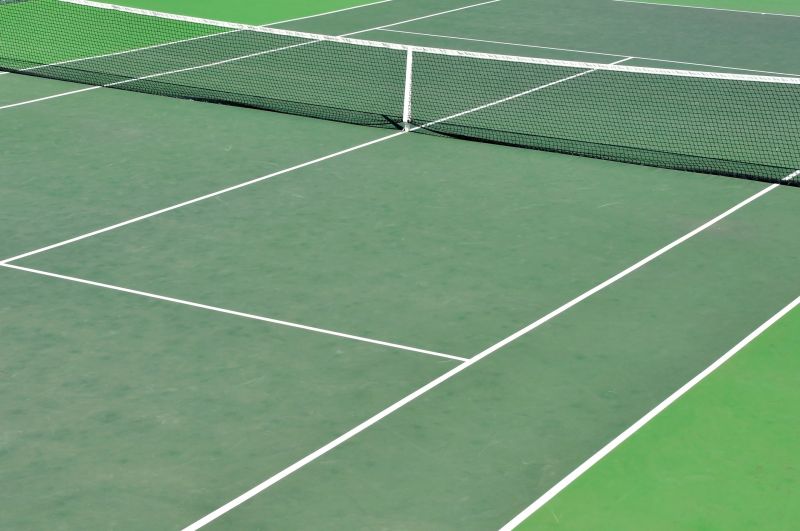
When evaluating service providers for pickleball or tennis court resurfacing, it’s essential to consider their experience with similar projects. A contractor who has handled courts of comparable size and surface type is more likely to understand the specific requirements and challenges involved. Homeowners should inquire about the number of courts they have resurfaced that resemble their own in terms of surface condition and usage. An experienced contractor will be familiar with common issues such as surface cracking, fading, or unevenness, and will be better equipped to recommend appropriate solutions that ensure a durable and high-quality finish.
Clear, written expectations are crucial when comparing local contractors for court resurfacing services. A reputable service provider should be able to provide a detailed scope of work, outlining the steps involved, materials to be used, and the projected outcome. This transparency helps homeowners understand what to expect and ensures there are no surprises during or after the project. It also facilitates better communication and helps set realistic timelines and responsibilities, which can prevent misunderstandings and ensure the project aligns with the homeowner’s goals.
Reputable references and good communication are key indicators of a reliable contractor. Homeowners should ask for examples of past projects or references from previous clients who had similar courts resurfaced. This feedback can reveal the contractor’s professionalism, quality of work, and ability to meet deadlines. Additionally, clear and prompt communication throughout the process-from initial inquiries to project completion-can make a significant difference in the overall experience. Service providers who prioritize open dialogue and responsiveness tend to be more attentive to client needs, leading to a smoother, more satisfactory resurfacing process.
Property owners often search for signs your pickleball court needs resurfacing when they are planning practical projects around their homes and businesses. Local pros provide Pickleball or Tennis Court Resurfacing services for everyday jobs and straightforward project options.
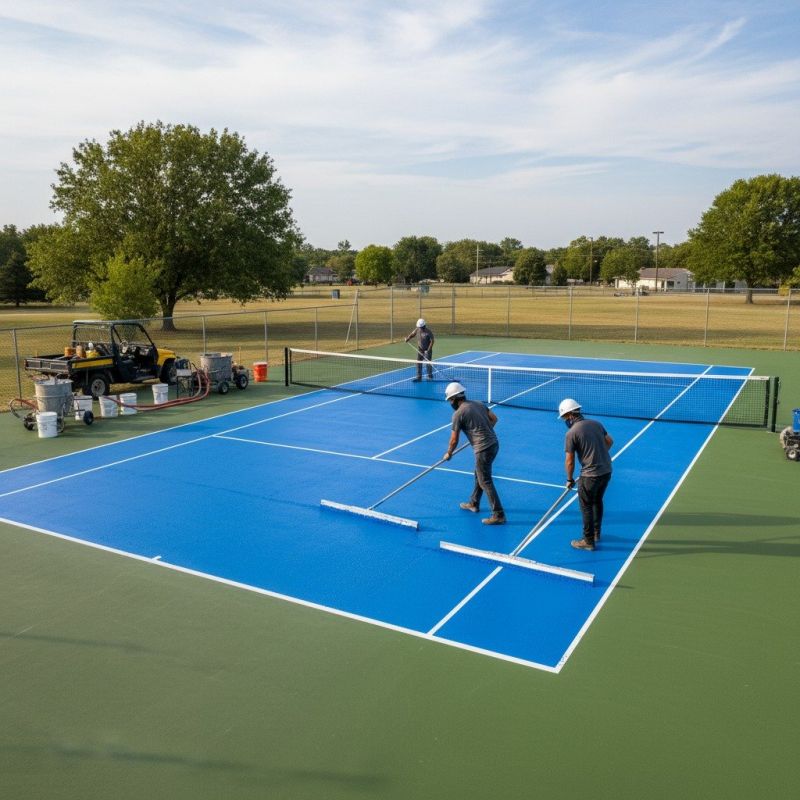
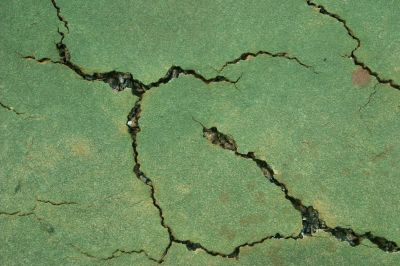
Signs your pickleball court needs resurfacing are often noticeable through everyday use and environmental factors. Cracks or uneven surfaces can develop over time, especially in areas with frequent play or exposure to the elements. Faded or worn-out lines might also indicate that the surface has deteriorated beyond simple maintenance, affecting gameplay quality. Property owners noticing these issues may consider reaching out to local contractors who specialize in pickleball or tennis court resurfacing to restore the court’s condition and ensure safe, consistent play.
Other common indicators include a rough or gritty texture on the surface, which can cause players to trip or lose footing. Additionally, areas where the surface is peeling or has patches of discoloration may suggest that the underlying materials are breaking down. In such cases, local service providers can assess the condition of the court and recommend appropriate resurfacing solutions. Addressing these signs early can help prolong the life of the court and maintain an optimal playing environment.
What are common visual signs that a pickleball court needs resurfacing? Cracks, uneven surfaces, and fading lines are typical indicators that a pickleball court may require resurfacing by local contractors.
How can surface texture issues affect gameplay on a pickleball court? A rough or worn surface can cause inconsistent ball bounce and player footing, suggesting resurfacing might be needed to restore optimal play conditions.
Are there signs of damage or deterioration that suggest resurfacing is necessary? Yes, areas with peeling paint, surface bubbling, or deep cracks indicate the court's surface is deteriorating and should be evaluated by local service providers.
What role does surface color fading play in identifying the need for resurfacing? Significant fading of court lines and surface color can reduce visibility and impact gameplay, often prompting the need for a resurfacing job.
How does regular wear and tear influence the decision to resurface a pickleball or tennis court? Continuous use leading to surface wear, such as smooth spots or surface erosion, can compromise safety and performance, making resurfacing a practical solution from local contractors.
Visible surface cracks - noticing cracks or chips on the court surface can indicate the need for resurfacing services from local contractors to restore a smooth playing area.
Uneven playing surface - if the court feels uneven or warps underfoot, local pros can assess and resurface to ensure proper ball bounce and player safety.
Faded or worn-out markings - faded lines and markings suggest the court surface is deteriorating, and resurfacing can help re-establish clear boundaries for gameplay.
Surface discoloration or staining - persistent discoloration or staining may signal surface degradation, prompting local contractors to resurface for improved appearance and performance.
If you are thinking about signs your pickleball court needs resurfacing for a property, this guide is meant to help you understand this topic, the typical project types, and how different options might fit your plans.
When you are ready, you can use the quote form on this page to share a few details about your project. From there, local pros can review the basics and follow up with options that match what you have in mind.